


CELEBRATING
NEW PLACES, NEW FACES, & NEW PHASES
IN THE DEPARTMENT OF SURGERY
A 2023 CALENDAR YEAR HIGHLIGHT REEL


Reflections
As I have collaborated with many of our team members over the past two months to develop strategies and create roadmaps for progress, I am continually reminded of the phenomenal work our team of over 500 has achieved in the past year.
Each Friday, we send out a brief called Surgical Snippets, where we celebrate, educate, and inform the great work of our faculty, staff, and learners. Each week, this “brief” is less and less of a “brief” because there is so much to celebrate in the form of articles, publications, grants, awards, innovations, firsts, breakthroughs, events, promotions, and more.
So, as we prepare for the upcoming year, I would be remiss if I didn’t take a moment to celebrate just a few of the unique highlights of the 2023 calendar year paving the way for the future. A few themes emerged as we tried to narrow down these 52 weeks of progress. We have seen substantial growth and advancement in our programs and people, made great strides in providing care for our local, rural, and global communities, and propelled forward some exciting new phases in innovation, clinical programs, and education.
I hope you enjoy this abridged version of some of the top highlights of the new places, new faces, and new phases of 2023, and of course, we will publish a comprehensive annual report in the fall of 2024.
With gratitude and reflection,
Fiemu Nwariaku, MD, MBA, FACS
Professor and Chair, Department of Surgery
Helen Lowe Bamberger Colby Presidential Endowed Chair in Health Sciences
University of Utah Health


CELEBRATING NEW PLACES


Making Strides in Regional Care
Serving the five-state Mountain West Region provides both challenges and opportunities.
In 2023, our teams made great strides in providing care for our growing and rural populations in existing and new locations.
UTAH
PATIENTS INCREASED
3%
60,292 - 62,115
REDWOOD ROAD
PATIENTS INCREASED
670%
General Surgery launched a new program to service the area
and grew patients from
47 - 362 in one year.
WESTRIDGE CLINIC
PATIENTS INCREASED
195%
The Westridge Clinic in West Valley City, Utah grew due to increased populations. Patients increased from 39 - 115 in one year.
TOOELE
PATIENTS INCREASED
12.8%
Tooele's growing population has contributed to increasing demand for health care services. Patients increased from 1317 - 1485 in 2023.
HELIX
In 2023, the Department of Surgery moved into the beautiful new Healthcare, Educators, Leaders, & Innovator's Complex.
A TIME OF GROWTH...
1965
The University of Utah opened a new 220-bed medical center and served the community for nearly 40 years.
1990
When the Primary Children's Avenues building closed in 1990, the new hospital opened, providing clinical space and operating rooms for all Department of Surgery pediatric specialties, including general surgery, trauma, cardiothoracic surgery, plastic and reconstructive surgery, and urology.
1999
Huntsman Cancer Institute opened its first research building and outpatient clinics after a generous donation from the Jon M. and Karen Huntsman family. Surgical oncology faculty move to the new building.
2003
The new George S. and Dolores Doré Eccles Critical Care Pavilion was built in 2003 due to an aging hospital ill-equipped for innovation and advancement.
2003 – 2023
The original hospital was transformed into the School of Medicine (building 521) to meet increasing education and administration needs. The original ER became a loading dock, the operating room transformed into the Division of Urology's administrative office, and the Cardiothoracic Division was carved from an internal space without windows.
2018
The school quickly outgrew the space, and the space outgrew its life. With Building 521 at the end of its useful period, a workspace task force was developed to design a new home for many School of Medicine occupants. They devised the Healthcare, Educators, Leaders & Innovators (HELIX) Complex—the committee of 25 consisted of leaders from education, administration, and medicine. The three sub-committees included Design, Geography and Building, and People. The Department of Surgery was fortunate to have Larry Mauck serve on all sub-committees.
2020
As COVID changed the landscape of the traditional work environment, the task force made mid-process pivots to reflect the emerging hybrid environment by designing flex worksites, dropdown stations, and collaborative communities connected by technology.
2021
U of U Health received a landmark $110 million gift from the Eccles Foundation for the School of Medicine to further medical education, clinical care, and research.
2021-2023
HELIX Complex construction.
2023
The 259,000 sf. HELIX Complex opens, and the Department of Surgery moves into 42,000 square feet, bringing faculty, staff, administration, learners, and researchers into one space with 159 offices, flexible workspaces, touchdown space, and 10 conference rooms, providing proximity for connection and collaboration like never before.


SPENCER FOX ECCLES
SCHOOL OF MEDICINE
2022 - 2026
In October of 2022, the University of Utah broke ground on the $185 million, 185,000-square-foot state-of-the-art Spencer Fox Eccles School of Medicine, funded significantly by a $110 million gift from the George S. and Dolores Doré Eccles Foundation and the Nora Eccles Treadwell Foundation. This new building will serve as a central hub to enhance medical education, research, and patient care.


Making a Global Impact
The Department’s partnerships in global surgery value bilateral engagements that support strengthening surgical systems worldwide. We and our colleagues around the world collaborate on a wide range of programs in education, research, innovation, and advocacy. The mission of the Department of Surgery’s Center for Global Surgery is to advocate for improved access to surgery worldwide, create innovative solutions with measurable impact, and train leaders to solve the most vexing problems in global health.
Creating an Innovative Global Fellowship Model In Ghana
In a joint effort, University of Utah Health, the University of Michigan, the University of Arkansas, and the University of Minnesota established the first colorectal fellowship in Ghana in partnership with the Ghana College of Physicians and Surgeons. With a population of nearly 33 million people and the Lancet Commission on Cancer predicting cancer to double in the next two decades in sub-Saharan Africa, the need for specialized training is urgent.
Lyen C. Huang, MD, MPH, assistant professor of surgery at University of Utah Health, is one expert leading the charge. The goal of the fellowship is to create a model that can be adapted to other specialties and implemented across the region.
The first fellow, Dr. Kwabena Agbedinu, started his training in the fall of 2023. He will be coming to the University of Utah for a one month observership, and will attend the American Society of Colon and Rectal Surgeons (ASCRS) Annual Meeting in Baltimore, MD thanks to an ASCRS International Travel Fellowship. The fellow will learn critical skills from his experience in the US and then be joined back in Ghana by the US-based faculty to continue developing the model together and further training.
photo: Students observing colorectal surgery in Ghana
Introducing Minimally Invasive Laparoscopic
Training in Cambodia and Ethiopia
In 2019, the American College of Surgeons (ACS) selected a hospital in Hawassa, Ethiopia, serving nearly 20 million people, to improve training and skills. Many universities attended, including Raymond R. Price, MD, Vice Chair, and Global Affairs from University of Utah Health. U of U Health was asked to develop a laparoscopic training program. Following substantial collaboration, teams planned for the first in-country training in April 2020. While the global COVID pandemic halted physical travel, teams quickly pivoted to develop an introductory course online. In 2021, Dr. Price and team digitally delivered the first course to local surgeons and residents with plans to conduct in-person training in early 2022. Following civil unrest, a second training session was held, but this time, it was through video instruction. While the pandemic and unrest created barriers, it also pushed the creativity of our teams to develop unique instruction methods and a new fellowship model partnering with the University of Virginia and ACS. Through the innovation of technology, this fellow was able to help implement the training in the country. In 2023, when U of U faculty finally arrived, trainees on the laparoscopic devices were completing complex internal sutures, increasing the ability to train at a more advanced level.
Recognizing a similar need in Cambodia and using this same training method, teams held six two-day training courses in Calmette Hospital in 2023. Combining the laparoscopic instruction with their established education, the Cambodia teams quickly developed a unique training program to continue the process.
This process has now been repeated in the 3rd largest city in Cambodia and is expanding to include gynecology. Expressing grateful collaboration, Dr. Vithea, following the laparoscopic gynecological skills training he could now present in-country, wrote, “Ray, you can now relaxingly be seated and watch the seeds you planted grow.”
photo: Dr. Pho, main surgeon, learning laparoscopy at Kampong Cham, Cambodia
Expanding Global Urologic Surgical Access in Rwanda
The Division of Urology, with support from the Center for Global Surgery, launched the Global Urology Initiative and Multinational Partnership for Advancing Capacity and Training in Surgery (GU-IMPACTS). The program is a multi-institutional initiative aimed at improving patient access to high-quality urologic care by transferring surgical knowledge and skills across borders.
“We hope that by delivering frequent training and virtual education through a dedicated team, local urologists will gain full competency to treat their own patients,” said Jane Kurtzman, MD, GURS reconstructive urology fellow, and GU-IMPACTS program co-creator. “Eventually, the goal is for them to independently pass knowledge and skills to the next generation of surgeons so the benefits can continue into the future.”
GU-IMPACTS is dedicated to empowering local surgeons and improving patient outcomes in a measurable, safe and sustainable way with the goal of providing patient-centered support. Each country-specific program is designed based on patient and provider need, meaning programs may look different in each location.
To establish new sites, GU-IMPACTS performs a needs-assessment to identify gaps in knowledge, skills and/or access to equipment that is needed for providers to deliver standard-of-care urology to their patients. The program has begun building partnerships in select countries, with the first located in Rwanda.
With a population over 13 million but less than 15 urologists, Rwanda was a logical choice to launch the program. Additionally, a relationship with local physicians already existed, making the process of building a new partnership significantly easier.
The GU-IMPACTS team is collaborating with the Rwanda Urological Association and IVU-Med and plan to continue the partnership for the next five years to teach complex reconstructive surgery. Additional locations are planned, with the next location currently being launched in Cambodia in partnership with the Cambodia Urological Association.
photo: Jane Kurtzman, MD, Urology Fellow, U of U Health
Donor “Seed Grants” Fund
the Future of Global Surgery
In 2023, the Center for Global Surgery received gifts from multiple donors well into six-figures, supporting the center’s vision to improve access to safe and affordable surgery.
These generous donor gifts serve as seed grants for programs and research, ensuring a perpetual transfer of education is achieved.
“One of our biggest goals for the center is sustainability,” said Kate Throneburg, Department of Surgery advancement director. “These cumulative gifts allow us to demonstrate the initial impact of project funding, and that often leads to opportunities for federal funding, including NIH funding, and additional community support.”
Because the nature of the center’s work is rooted in multi-year projects, continual funding is pivotal. As donor funding paves the way for more permanent funding, the center can build a sustainable teaching and learning cycle that will benefit the field of surgery well into the future.
photo: Fiemu Nwariaku, MD, MBA with laparoscopic trainees in Cambodia
CELEBRATING NEW FACES
EXPANDING
OUR FACULTY
From around the country,
we welcomed
13 trailblazers, innovators,
and leaders .

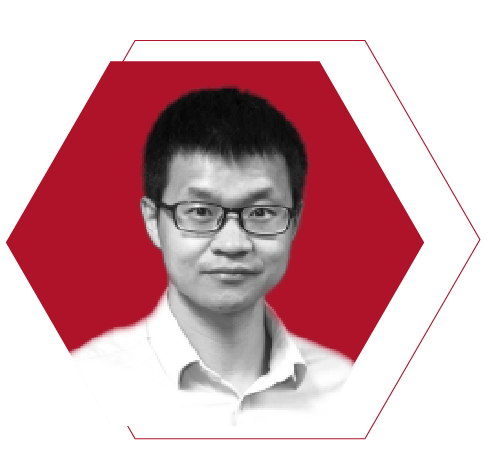
Hongchau Guo, PhD
From the Cardiovascular Institute at Stanford University
An investigator with the Nora Eccles Harrison Cardiovascular Research and Training Institute (CVRTI) focusing on deciphering the genetic mechanisms underlying cardiovascular development and cardiac diseases.

Marshall Baker, MD, MBA
From the Edward Hines, Jr. VA Hospital and Gottlieb Memorial Hospital
A surgeon-scientist with over 24 years of expertise in benign and malignant diseases of the pancreas, liver, gallbladder, and bile ducts. His current clinical focus is on complex foregut oncology and hepatobiliary surgery.


Jessica McMullin, MD, MS
From University of Alabama at Birmingham Endocrine Surgery Fellowship
An endocrine surgeon specializing in thyroid cancer and nodules, hyperparathyroidism and minimally invasive/radio-guided parathyroid surgery, Graves’ disease and other benign thyroid disease, adrenal disease, and robotic and retroperitoneoscopic minimally invasive adrenalectomy.

Lauren Baumann, MD, MHS
From Children's Hospital of LA Pediatric Surgery Fellowship
A pediatric surgeon with a special clinical interest in chest wall deformities, minimally invasive surgery, neonatal procedures, and global surgery.

Amanda Gerlach, DMD, MDS
From Genecov Orthodontics; Craniofacial Orthodontist
A pediatric craniofacial orthodontic surgeon specializing in cleft, craniofacial, and special care orthodontics with extensive clinical experience treating complex orthodontic cases, including patients with cleft lip and palate and various craniofacial anomalies.
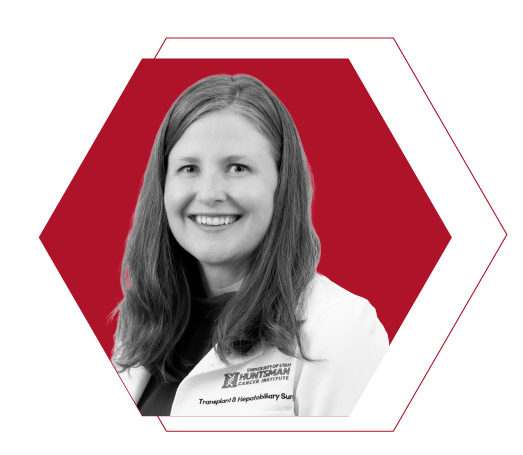
Michelle Buff, MD
From Medstar Georgetown University Hospital
Abdominal Multi-organ Transplant and Hepatopancreatobiliary Surgery Fellowship
A transplant and hepatobiliary surgeon specializing in liver, kidney, and pancreas transplantation advancing the use of the robot within transplant, and advanced hepatobiliary surgery.

Oya Andacoglu, MD
From University of Oklahoma
Assistant Professor of Surgery, Division of Transplant Surgery
A liver, kidney, and pancreas transplantation surgeon specializing in living and deceased donor liver transplantation for adult and pediatric patients.
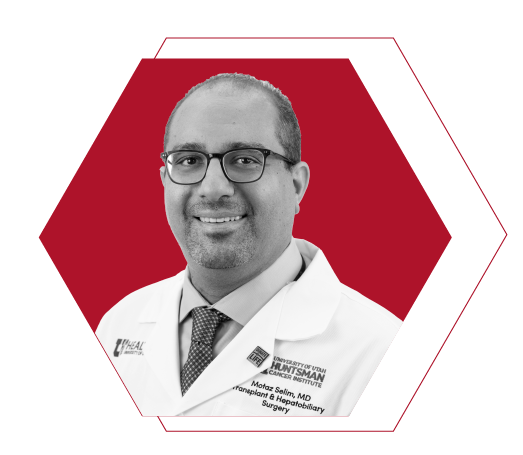
Motaz Selim, MBBCh, MD, PhD, MSC
From Medical College of Wisconsin
Assistant Professor, Division of Transplant Surgery
A transplant and hepatobiliary surgeon specializing in liver, kidney, and pancreas transplantation and surgical critical care with special interests in critical care of pre- and post-transplant patients, mitigating preservation and reperfusion injury, and surgical education methods.
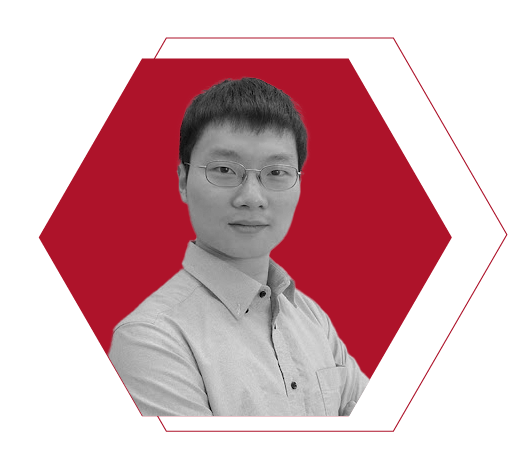
Qi Chen, PhD
From University of California, Riverside School of Medicine Assistant Professor
A reproductive and developmental biologist studying sperm RNAs.

Ting Sun, PhD
From Northwestern University, Postdoctoral Scholar
An educational researcher with specialty in quantitative methodology, including psychometrics, online learning, self-efficacy, and medical education focusing on providing validity and reliability evidence of assessment measures in education, assessment of surgical competence and outcomes using advanced quantitative methods or machine learning techniques.
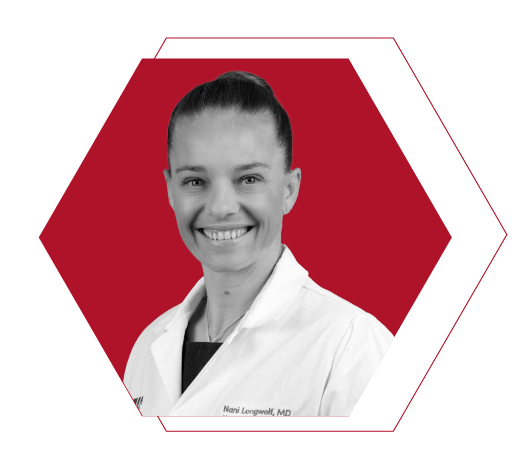
Nani Longwolf, MD
From University of Utah, Vascular Surgery Fellowship
A vascular surgeon with a special interest in pediatric and adult aortic surgery including the treatment of genetic aortopathies, pediatric vascular surgery, and popliteal entrapment.
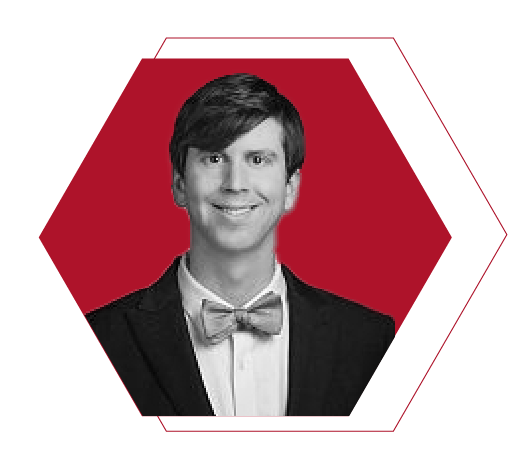
Robert Swendiman, MD, MPP, MSCE
From University of Utah, General Surgery Fellowship
A pediatric surgeon with a special clinical interest in the management of traumatic injuries, inflammatory bowel disease, chest wall deformities, minimally invasive surgery, and neonatal conditions.
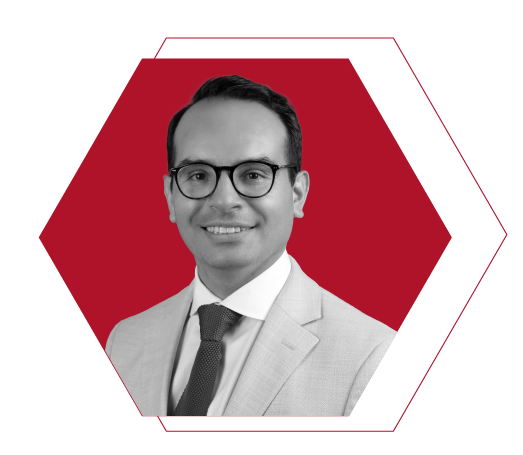
Nicolas Contreras, MD
From University of Utah, Cardiothoracic Surgery Fellowship
A fellowship-trained cardiothoracic surgeon with a special interest in robotic thoracic surgery, thoracic oncology, esophageal surgery, complex esophageal reconstruction, and lung transplantation.

A Pivotal Role in
a Healthy System
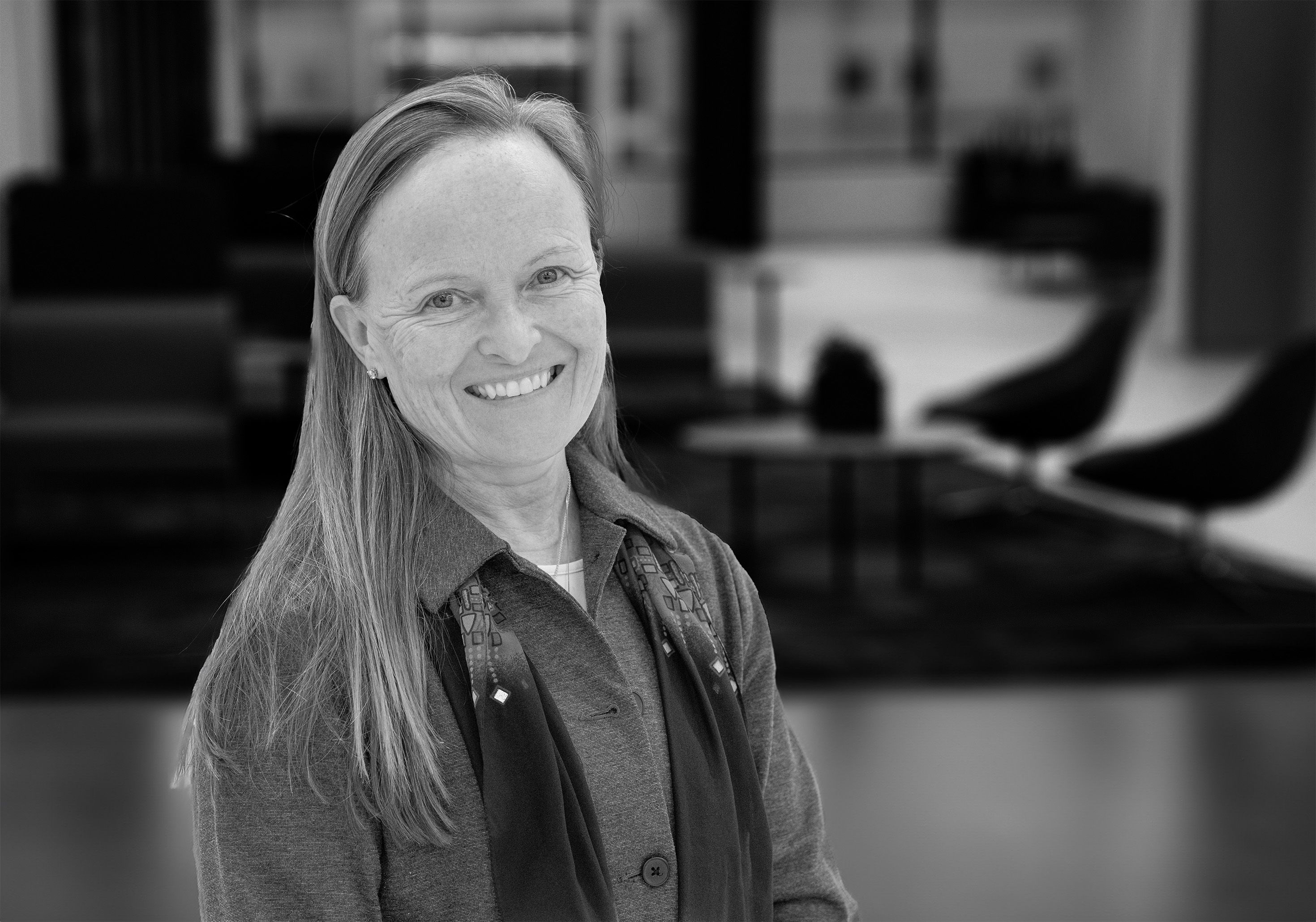
The role of clinical operations, encompassing inpatient and outpatient clinics, operating rooms, and outreach, is the basis for all day-to-day activities within the Department of Surgery and the broader institution. As such, the position of Vice Chair of Clinical Operations is a vital part of ensuring the system thrives.
Courtney Scaife, MD, was appointed the vice-chair role in 2023, bringing her unique history to the position. Having been with the institution since 1995, except for a short departure for specialty training, Scaife has a thorough understanding of the complex university medical system. Additionally, she has served on a variety of committees, collaborating with key stakeholders across all levels of the organization, allowing her to easily navigate the many areas of clinical operations.
“Being here so long, I’ve seen everything grow and develop,” Scaife said. “I’ve learned to understand other perspectives and identify strengths and weakness within the system, which helps me keep my finger on the pulse of the different needs of the organization.”
As Scaife settles into her vice chair role, she has made it a point to visit the institutions' many facilities and establish clear communication with her various campus partners. Looking to the future, she hopes to define clinical strategy, improve efficiency of block utilization across the institution, and continue improving the value and quality of clinical care.


Expanding Departmental
EDI Efforts
The Department of Surgery appointed a new Vice Chair of Equity, Diversity, and Inclusion to guide EDI efforts for the department, selecting Cindy Matsen, MD, for the role.
With 10 years of experience as a breast surgeon, multiple appointments on national ethics committees, and extensive research expertise, Matsen offers a unique perspective to the role. As an internal hire, she also understands the needs of the Department of Surgery, allowing her to align her work with the department’s vision.
As vice chair, Matsen is focused on strengthening belonging and inclusion efforts, researching ways to improve EDI practices, and building a culture that is inclusive and equitable for all staff and patients.
“I know this work isn’t easy or comfortable, but I want to keep learning and finding ways to expand my perspectives,” Matsen said. “It will take time and we won't always get it right. But the times we do get it right accumulate, and that's how you create a new culture.”

Elevating Patient Care
as the APC Director
With 97 advanced practice clinicians in the Department of Surgery, APCs serve an integral role providing patient care and strengthening the surgical enterprise.
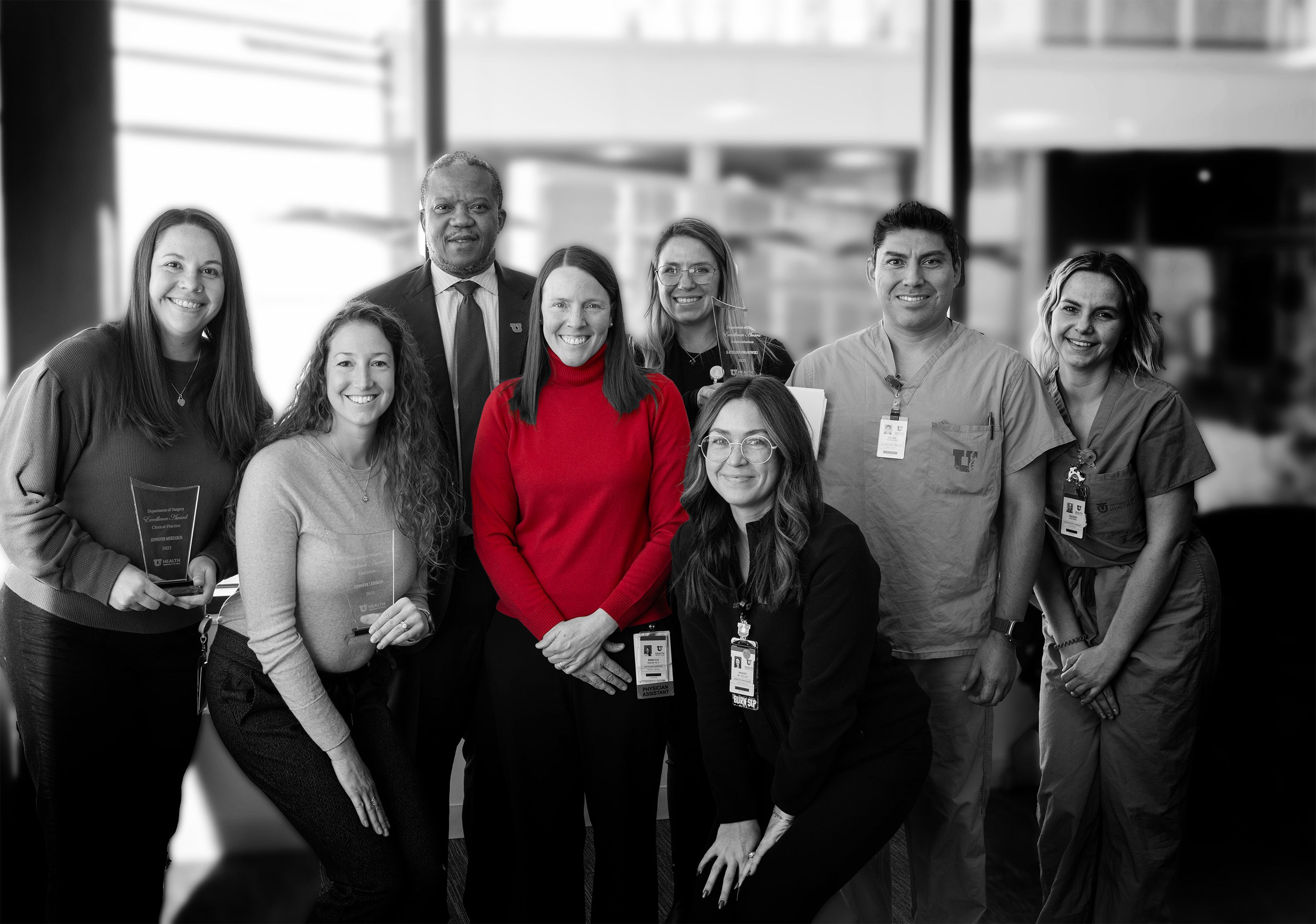
Rebecca Kohler, PA-C, MPAS, has been one of many vital APCs in the Department of Surgery since 2011, and she is now the Director of Advanced Practice for the department. Her experiences have given her perspective on team function and an awareness of the diversity of the APC role on surgical services, providing a strong foundation for her leadership.
“I’m honored to be in this role and look forward to promoting recognition of the excellent work APCs engage in across the department,” Kohler said. “I want to ensure our APCs feel supported and have opportunities for growth.”
Kohler has great interest in promoting best practices for APC utilization and working toward high-level team practice to deliver quality patient care.


Advancing
Innovation
James Hotaling, MD, MS, surgeon-scientist, accomplished entrepreneur, and board-certified urologist was appointed the new Associate Vice President for Research Innovation and Translation (AVPRIT) for the University of Utah research enterprise.
As the University of Utah undergoes a vast restructuring of its research entity to better address critical needs and drive the Utah economy, Hotaling is a strategic fit for both the university and the department.
“Utah has the fastest growing biotech economy in the United States,” Hotaling explained, indicating how Utah and the Department of Surgery are poised for innovative growth.
Hotaling has the perfect combination of skills to drive opportunity and growth across all platforms. He is a practicing surgeon with an extensive background in science, technology, and commercialization, and has successfully founded, operated, and sold multiple medical device and biotech companies. He holds patents, licenses technologies, and collaborates extensively to drive innovation in research and startups.
As the new AVPRIT, Hotaling will assist faculty in taking their research beyond the university setting to create widely distributed products addressing real-world issues. He will introduce new programs and funding for faculty commercialization. Additionally, Hotaling will boost the university's presence in national innovation and translational research by engaging both internal and external stakeholders.
“Ultimately our greatest asset in the innovation and translational space is our world-class faculty. My goal is to make it easy to innovate and commercialize their ideas.”
CELEBRATING NEW PHASES
An “Easy Button”
For Innovation
The Department of Surgery is seizing an incredible opportunity to revolutionize and advance innovation in surgery through streamlined structure and processes.
With the announcement of James Hotaling, MD, MS, the AVPRIT at the university level, the department had a unique opportunity to build the bridge from department to university by naming Alexander Pastuszak, MD, PhD to the role of Section Chief of Surgical Innovation.
While Hotaling streamlines the university process and bridges the gap between education and industry, Pastuzak will build structure and open opportunities within the department.
“My goal is to make this like an easy button for faculty and staff,” Pastuszak said. “It can take over a year just to get the required legal, technical, and financial support on your own, and we intend to shorten that as much as possible.”
Pastuszak hopes to create a progressive new program in the department that will “plug into the university for fast-tracked innovation.”
(photo by Kristan Jacobsen)
Pastuszak, a partner with Hotaling in urology and business, is the perfect specialist for this complex role, leveraging over 15 years of expertise in healthcare and biotechnology. As an accomplished urologist, scientist, and serial entrepreneur, he has excelled in founding and leading multiple companies, with several successful exits to date. Pastuszak's proficiency spans healthcare technology, diagnostics, medical devices, clinical research, and medical innovation.
As the New Section Chief of Surgical Innovation for the Department of Surgery, he will spearhead efforts to streamline the licensing process, fortify existing infrastructure, and drive entrepreneurial initiatives within the department for all employees
Forging New Paths in Pediatric Vascular Surgery
Within the small specialty of vascular surgery, few surgeons are dedicated to pediatric cases despite growing demands. While almost all vascular surgeons can perform basic pediatric procedures, pediatric patients differ greatly from adult counterparts, with age playing a role in how long any reconstructive work must last.
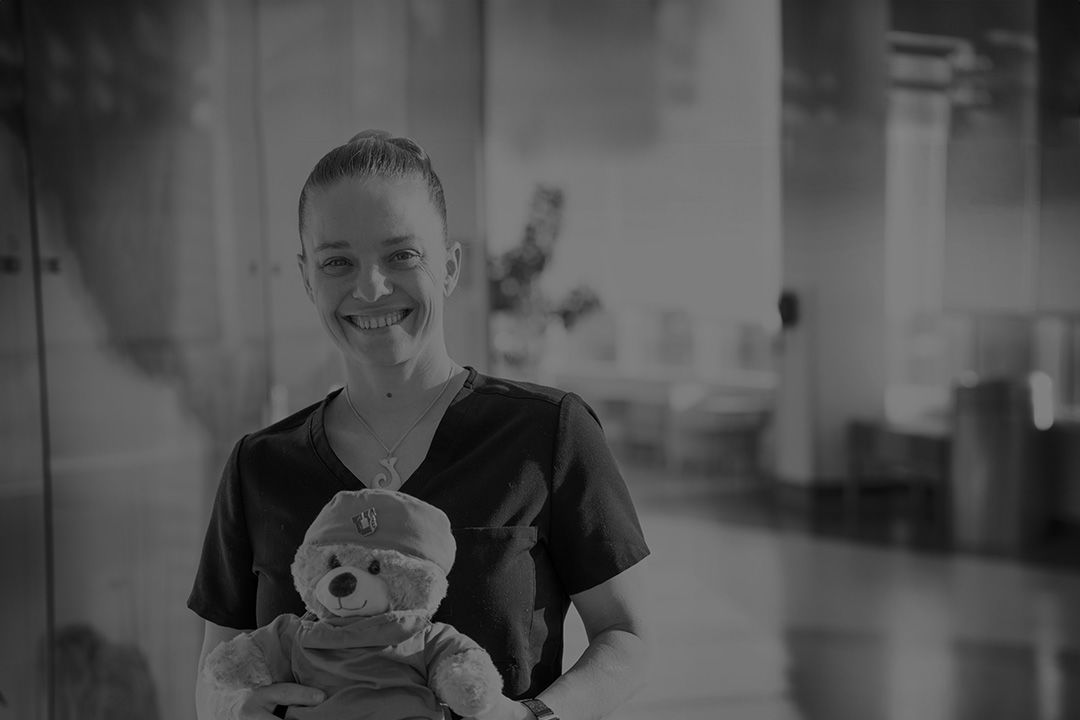
Kaohinani Longwolf, MD, a former fellow in the Department of Surgery, saw the need for a dedicated pediatric vascular surgeon in the Mountain West, where none previously existed. As a fellow, she began working toward creating a program within the Division of Vascular Surgery to focus on pediatric cases.
“I've always loved being involved with pediatrics, and it’s really exciting to be at the forefront of developing this new resource,” Longwolf said. “Children’s needs are just so different, so the focus is on finding the best way to treat them and build a patient-centered system for them.”
Longwolf’s mentors helped build the foundation for the program by taking on more pediatric cases while she was a fellow. When she completed her fellowship in August 2023, she transitioned to serving as a faculty member and attending physician. Between Longwolf and her mentors, the pediatric caseload increased from just one in 2022 to nine in 2023.
The creation of the new program allows for a significantly streamlined system, ensuring pediatric patients can stay in a hospital dedicated to their specific needs throughout their treatment process, putting patient needs at the center of care.

Charting A New Course:
Abdominal Transplant Surgery Fellowship
Receives National Approval
Just shy of 60 years ago, University of Utah Health launched the kidney transplantation program. After decades of leading-edge patient care, U of U Health remains Utah's only academic transplant center offering all solid organ transplant types: kidney, pancreas, and liver, as well as heart and lung transplants.
Leveraging these decades of expertise, innovation, and research, newly hired transplant surgeon Motaz Selim, MBBCH, MD, PhD, MSC, proposed and received the first TACC accreditation for the two-year fellowship through an incredible collaboration from division chief, Talia Baker, MD, and department chair, Fiemu Nwariaku, MD, MBA.
This fellowship will provide comprehensive training in liver and kidney transplants from deceased and living donors, pancreas transplants, and organ procurement from deceased and living donors (for both liver and kidney). Fellows will also participate in hepatobiliary surgery and laparoscopic and robotic surgical cases.
To graduate well-rounded future academic transplant surgeons in education and surgical expertise, these fellows will also train in all aspects of running a transplant program, including building and managing the waitlist and organ offer assessment. Fellows will also be heavily involved in the program's academic mission, particularly in research and surgical education of medical students and surgical residents.
Applications and interviews are open now for a July 2025 start.
photo by Dave Titensor


Advancing the Future of Surgical Oncology

Introducing the New Division of Surgical Oncology
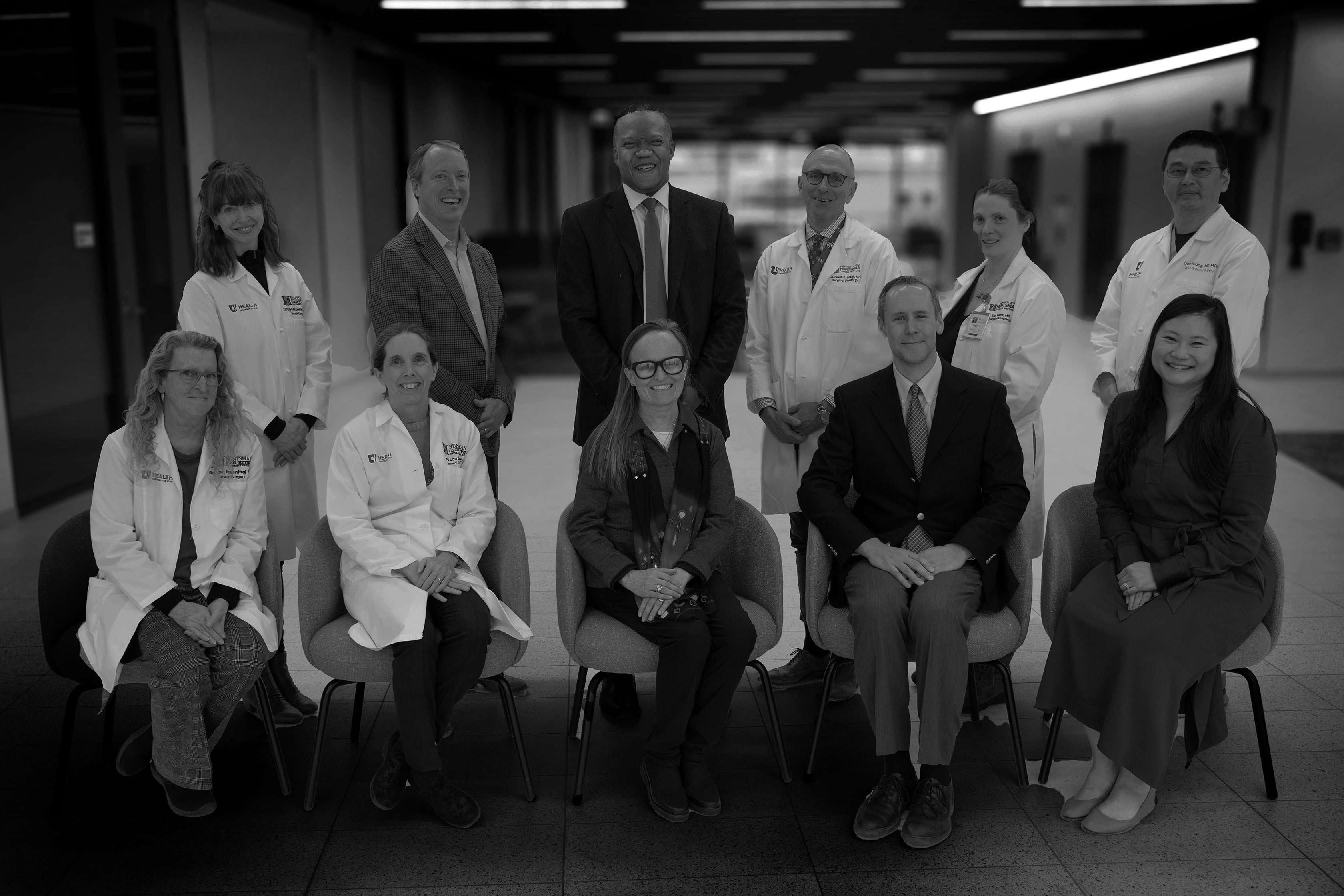
In 2023, the Department of Surgery proudly announced the establishment of the Division of Surgical Oncology. Previously housed as a section in the Division of General Surgery, the new division emerges at a pivotal time to meet growing community needs while advancing surgical oncology research and education.
With extensive research indicating a rising demand for increased surgical oncology services in the Mountain West, and national standards in medicine demonstrating the efficacy of a dedicated division, the development of the Division of Surgical Oncology was a natural progression.
The move into a new division opens the path for exciting opportunities in all areas of surgical oncology. The division is focused on elevating its national presence, increasing work in cancer research, and offering more specialized and competitive education programs.
“We’re growing rapidly and so is demand,” said Courtney Scaife, MD, Interim Chief, Surgical Oncology. “This division is a necessary change but it’s also an opportunity to expand our ability to provide excellent patient care and increase research and education.”
The division will consist of multiple subsections, including breast, melanoma/sarcoma, complex GI, hepatopancreaticobiliary, endocrine, colorectal and peritoneal-based malignancies. With 16 faculty members and growing, more specialized treatment opportunities for patients are quickly taking shape. In addition, new fellowships and residency programs are in the works, including a highly competitive and sought-after complex general surgical oncology fellowship to prepare future surgeons to meet community needs.
“The growth opportunities are really exciting,” said Bartley Pickron, MD, Division of Surgical Oncology colorectal surgeon. “Everything will be more centralized, and we’re going to be able to expand our services to reach more people.”
The division will service the existing University of Utah Health and Huntsman Cancer Institute locations in Salt Lake City and other health campuses across Utah, including the upcoming hospital in Vineyard, Utah.
As the University of Utah Health system continues to grow to meet anticipated needs, the Division of Surgical Oncology will grow with it – advancing the goal of bringing a cancer-free frontier to the region.




Into the Future
In recognizing and celebrating a few highlights of 2023, we prepare for the challenges, growth, and innovation of the future. Join us in September for a comprehensive annual report with more to celebrate.
 Built with Shorthand